
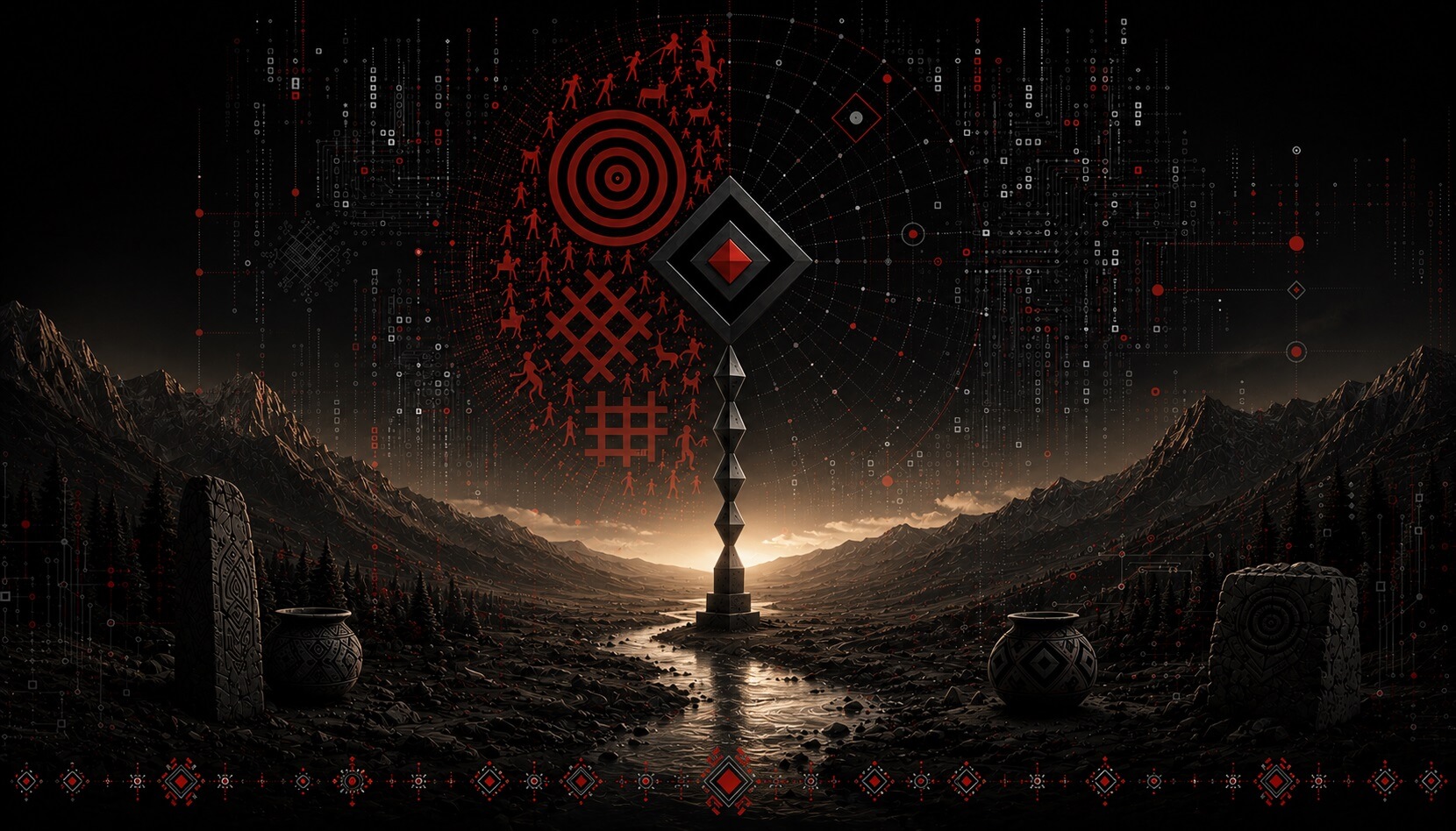
Brâncuși DMC Package
through the Southern
Gate of Transylvania
Brâncuși Infinite Column ◊◊◊ ❖
Journey From Petroșani to Hobița
Introduction ◊◊◊ Most cultural tours in Romania begin where the Endless Column stands. This journey begins where it was born. Long before the Infinite Column became one of the most important modern sculptures in the world, the industrial workshops of Petroșani were already shaping its metallic structure inside the heart of the Jiu Valley. Between mountains, miners, furnaces and industrial precision, the future symbol of infinity started as matter, discipline and craftsmanship before becoming universal philosophy.
150 Years of Infinity — Born in Hobița, Cast in Petroșani, Celebrated in Rome In 2026, the world marks 150 years since Constantin Brâncuși was born on February 19, 1876, in the village of Hobița, in the hills of Oltenia. Romania’s Parliament officially declared 2026 the Year of Constantin Brâncuși — a recognition that his legacy now belongs not only to modern art, but to a living cultural geography that stretches from the Carpathian mountains to the grand forums of Rome.
The anniversary is being celebrated across Europe. In Rome, the Mercati di Traiano – Museo dei Fori Imperiali is hosting Constantin Brâncuși: the Origins of Infinity from February 20 to July 19, 2026 — the central event of the Romania–Italy Cultural Year 2026, a bilateral program involving the ministries of culture and foreign affairs of both countries. The exhibition reconstructs the Romanian and Roman matrices of Brâncuși’s revolutionary aesthetic, tracing the journey from Hobița’s ancestral wood-carving traditions to the polished bronze of Paris.
Yet while Rome celebrates the finished symbol, a quieter and more specific story belongs to a place most visitors never think to visit: Petroșani, in the heart of the Jiu Valley. As confirmed by AGERPRES Romania’s national news agency in their Brâncuși Year feature (February 19, 2026), the rhomboidal modules of the Endless Column were cast not in Paris and not in Târgu Jiu, but at the Central Workshops of Petroșani in 1937. Brâncuși himself lived in the home of engineer Ștefan Georgescu-Gorjan and went daily to the workshops to supervise the casting. The evidence — archive photographs, technical data, the names of the workers — is preserved to this day at the Mining Museum of Petroșani. The brass coating technology used to finish the Column was brought from Switzerland and represented a first in Romania. This is the origin story that the King Travel Romania Brâncuși DMC route is built upon. Not the monument at the end of the journey — but the industrial intelligence, mountain identity and human collaboration that made the monument possible.
This immersive two-day cultural experience developed by King Travel Romania connects the deepest Brâncuși narrative layers through the Southern Gate of Transylvania, combining industrial heritage, living ancestral traditions, mountain landscapes and the birthplace of Constantin Brâncuși himself.
The experience is designed for DMC agencies, cultural tourism operators, educational groups, industrial heritage travel balkans operators, corporate delegations and international travelers searching for authentic Romania beyond traditional tourism routes – Inbound Tour Operator Romania / Custom Cultural DMC Romania by KING TRAVEL TEAM.
The journey is guided by Alin Panaite, cultural guide, traditional archery instructor and one of the active preservers of ancestral memory from the Jiu Valley region. Through storytelling, local symbolism, landscape interpretation and experiential activities, the tour transforms the Brâncuși route into a living cultural continuum rather than a simple museum itinerary.
The Forgotten Beginning of the Infinite Column ◊◊◊ The global story of Brâncuși usually focuses on Paris and Târgu Jiu. Yet few international visitors know that the structural execution of the Endless Column was connected to the Central Workshops of Petroșani, inside one of the most important industrial ecosystems of interwar Romania. This forgotten layer changes the entire perception of the monument.
The Infinite Column was not born only from artistic abstraction. It emerged from the intersection between industrial intelligence, engineering precision, metallurgy and the symbolic memory of Romanian civilization rooted in the mountains of the Southern Carpathians. Petroșani therefore becomes more than a transit city. It becomes the city of the Column.
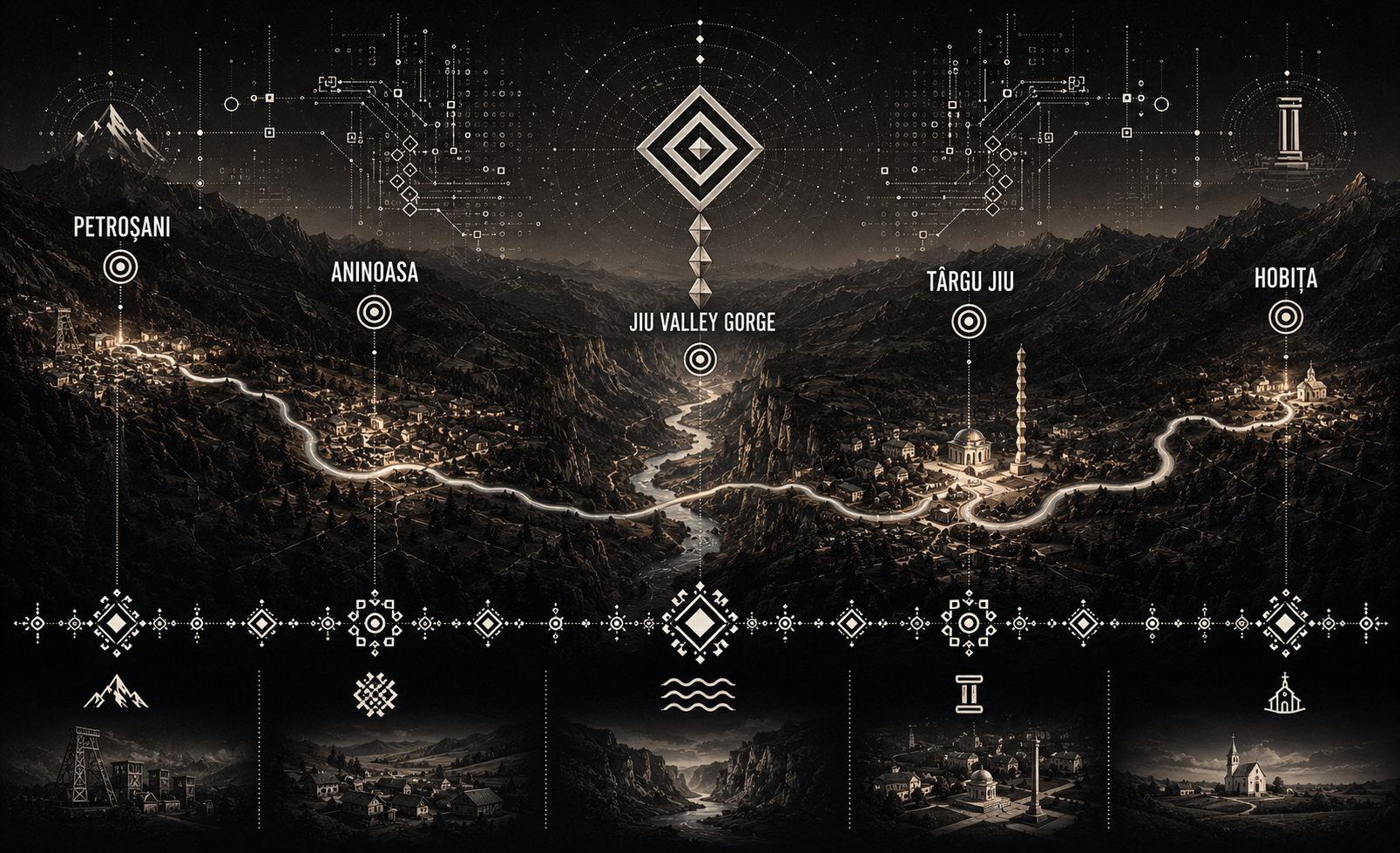
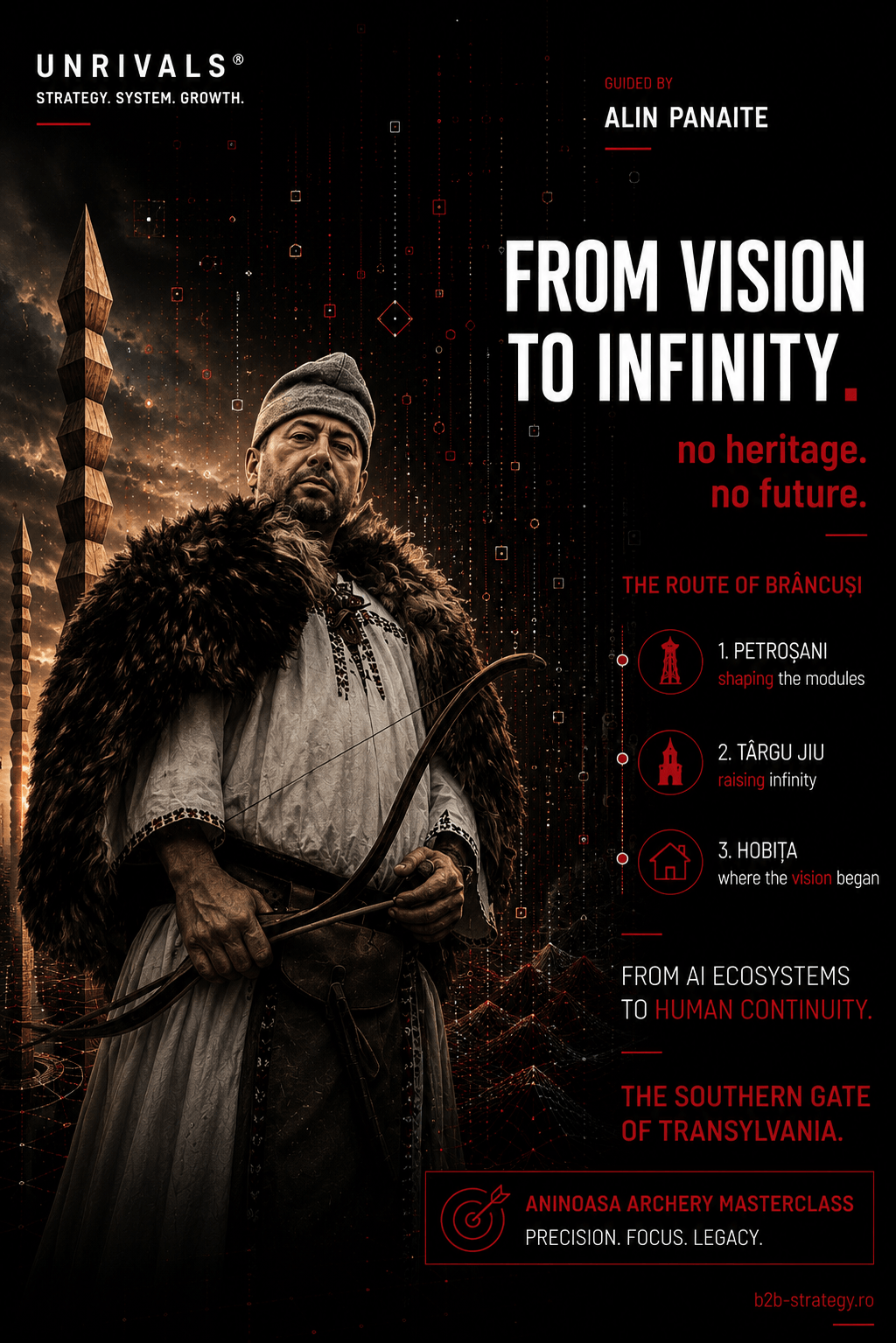
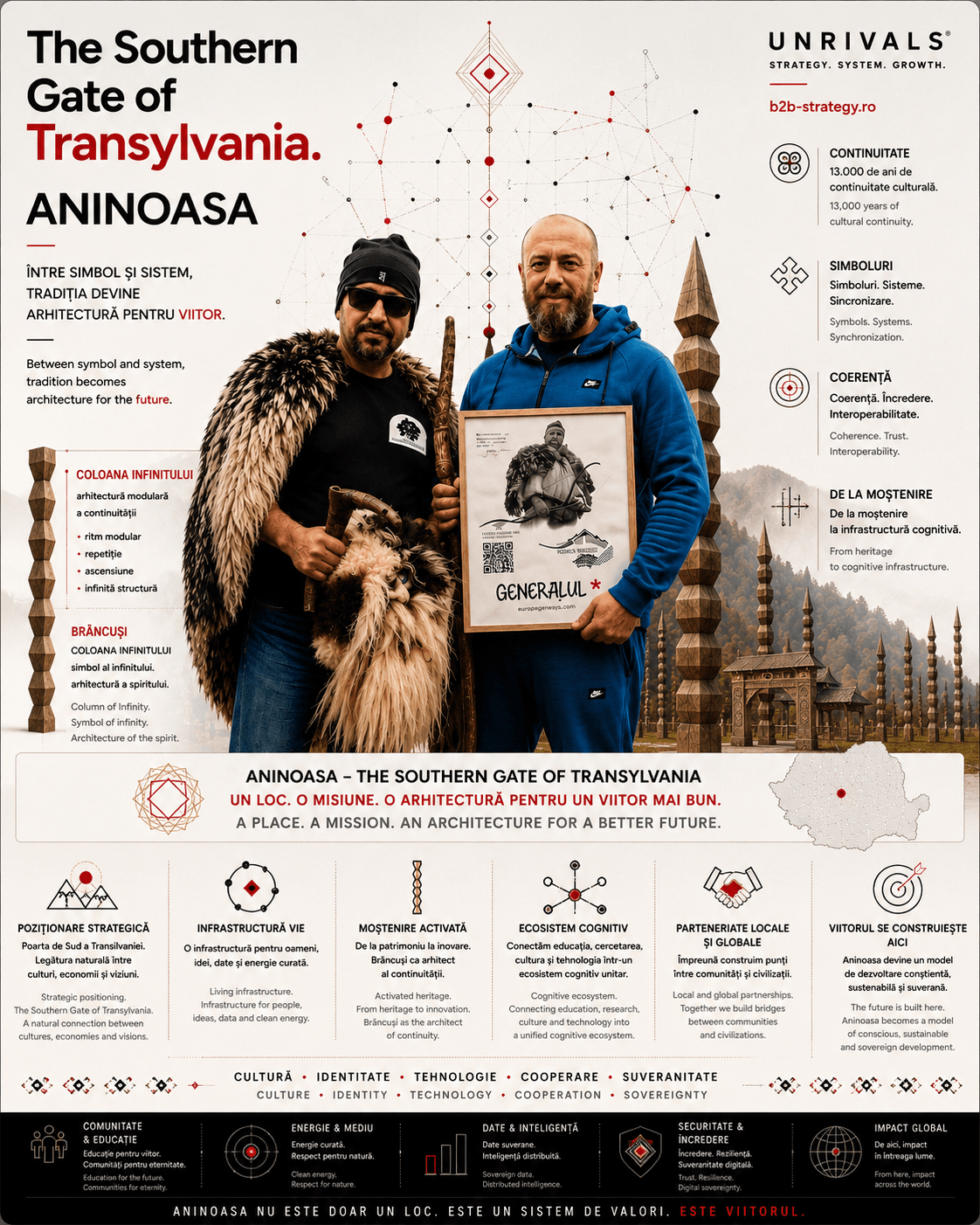
Day One — Petroșani, Aninoasa and the Southern Gate of Transylvania The first day begins in Petroșani, the industrial and cultural heart of the Jiu Valley. Guests discover the deeper story behind the realization of the Endless Column through the historical context of the Central Workshops and the industrial transformation of the region during the Brâncuși era. Walking through the city reveals an unexpected dialogue between heavy industry, mountain identity and symbolic continuity. The experience reframes Petroșani not as a former mining city, but as a strategic cultural gateway between heritage, engineering and modern European identity.
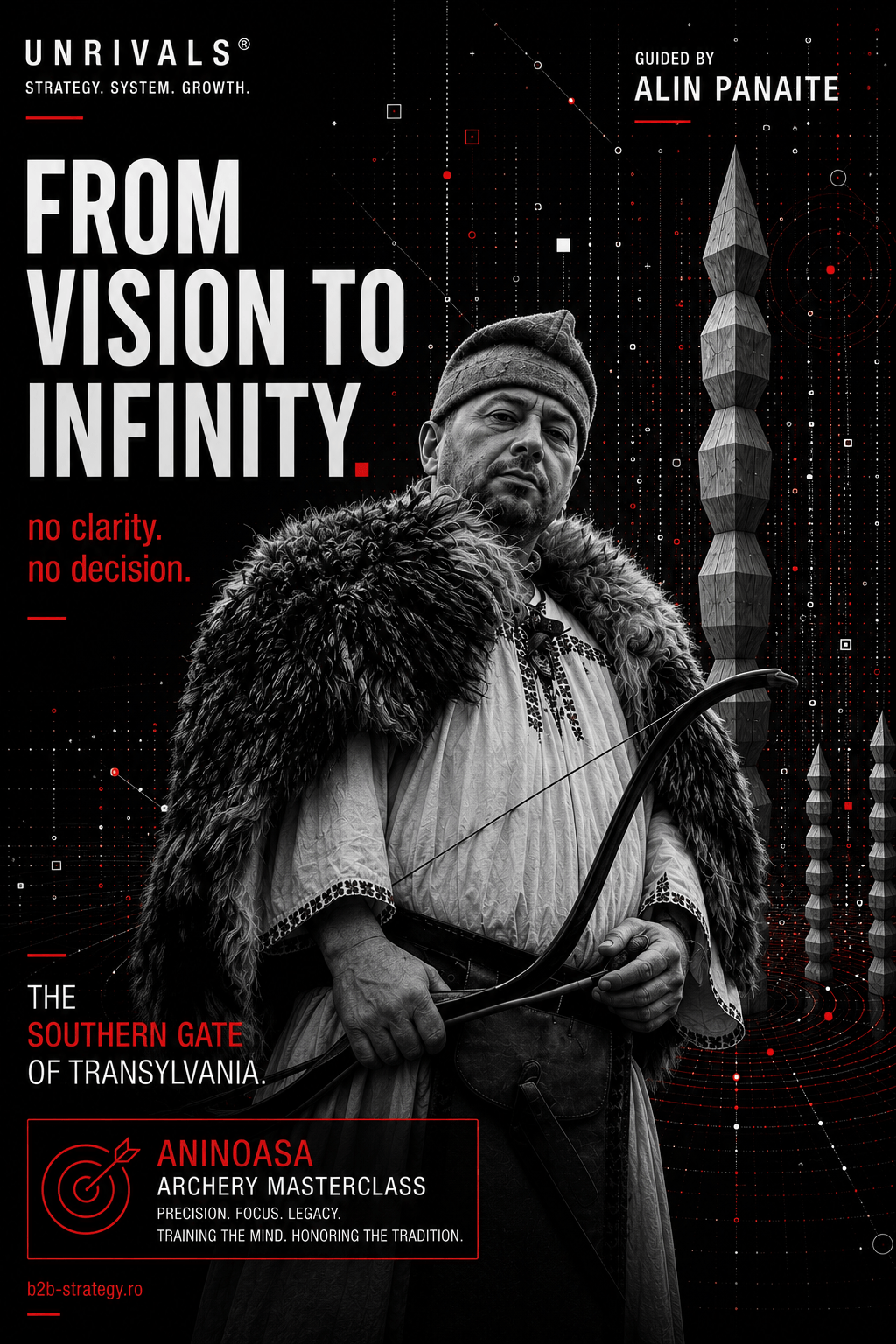
The route then continues toward Aninoasa, where guests participate in a traditional archery masterclass inside the local archery facility guided by Alin Panaite. More than a recreational activity, the experience reconnects visitors with ancestral forms of discipline, focus, coordination and embodied memory inherited from the Dacian-Carpathian traditions.
The Bow, the Column and the Road to Rome — Ancestral Precision in the Year of Brâncuși The traditional archery experience at Aninoasa is not a recreational add-on. In the context of 2026 — the 150th anniversary of Brâncuși’s birth and the Year of Romania–Italy Cultural Relations — it becomes a precise cultural statement.
Brâncuși’s philosophy reduced every form to its essential gesture. The bow in the hands of the archer does exactly the same: it distills intention, focus, trajectory and release into a single movement without ornament. Alin Panaite, archery master and cultural host based in Aninoasa, has built this practice into a living bridge between the Dacian–Carpathian ancestral traditions of the Jiu Valley and the contemporary international visitor.
Aninoasa itself is recognized as the Southern Gate of Transylvania — the threshold between the industrial memory of the Jiu Valley coal basin and the mountain world that shaped Brâncuși’s symbolic imagination. It is no coincidence that the National Outdoor Archery Championship of Romania was held here, confirming the town as an active center of archery culture in Romania. While Rome’s Mercati di Traiano exhibits Brâncuși’s origins through sculpture and form, the route through Aninoasa offers something the exhibition cannot: embodied memory. The visitor does not look at the ancestor. The visitor becomes the archer. And in doing so, touches the same civilizational gesture — precision, simplicity, essential form — that Brâncuși spent a lifetime translating into bronze and stone.
Inside the silence of the mountains, archery becomes an exercise in rhythm, precision and presence — values deeply connected to Brâncuși’s philosophy of simplicity and essential form. The evening concludes with local gastronomy experiences, regional storytelling and accommodation within the Jiu Valley area, surrounded by the landscapes of the Southern Gate of Transylvania.
Day Two — Jiu Valley Gorge, Târgu Jiu and Hobița The second day follows the spectacular route through the Jiu Valley Gorge toward Târgu Jiu, one of the most important cultural destinations in Romania. The dramatic landscape of the gorge itself becomes part of the narrative. Mountains, rivers and stone formations reveal the natural environment that shaped the symbolic imagination of Brâncuși long before modern sculpture defined his international legacy. In Târgu Jiu, guests explore the complete Brâncuși monumental ensemble including the Endless Column, the Gate of the Kiss and the Table of Silence. The experience is guided not only through artistic explanations, but through the deeper philosophy of continuity, memory, sacrifice, balance and infinity encoded inside the works.
The journey then reaches Hobița, the birthplace of Constantin Brâncuși. Here the experience returns to origins. Traditional wooden architecture, rural landscapes and ancestral rhythm reveal the civilizational environment that formed Brâncuși’s symbolic language. Visitors discover how Romanian vernacular culture, sacred geometry, peasant craftsmanship and mountain spirituality influenced the sculptor long before Paris recognized his genius. Hobița transforms the story from tourism into understanding. The visitor no longer sees only sculpture. The visitor understands the ecosystem that created Brâncuși.
Alin Panaite — Cultural Guide and Living Heritage Host The experience is hosted by Alin Panaite, a cultural storyteller deeply connected to the identity of the Jiu Valley and the traditions of the Southern Carpathians. Rather than functioning as a conventional tour guide, he acts as a bridge between landscapes, symbols, ancestral practices and contemporary understanding. His approach combines local history, traditional archery, cultural interpretation and immersive storytelling into a coherent experiential journey. Through his guidance, travelers gain access not only to places, but to the invisible continuity connecting Brâncuși, the mountains, the industrial heritage of Petroșani and the living traditions of the region. The result is a tourism experience built around authenticity, memory and cultural depth rather than superficial sightseeing.
A New Cultural Positioning for Romania This route represents more than a touristic package. It introduces a new international positioning layer for Romanian cultural tourism. Instead of isolated destinations, the experience connects industrial heritage, living traditions, mountain identity, Brâncuși philosophy and immersive participation into one coherent narrative ecosystem. From Petroșani — the forgotten city of the Column — toward Hobița, where the vision first emerged, the journey reveals a Romania capable of transforming continuity into experience and culture into living infrastructure.
Târgu Jiu → universal sculpture
Jiu Gorge → symbolic landscape
Hobița → source code of Brâncuși
Aninoasa → living ancestral practice
Petroșani → industrial origin of the Column
At the edge of the Southern Gate of Transylvania, the story of Brâncuși becomes once again complete. Inspired by ❖ The Southern Gate of Transylvania ❖ The Hidden Story of the Endless Column in Petroșani ❖ Brâncuși – The Home of a TITAN ❖ Wanted in Rome ❖ Brâncuși 150 — Romania Year overview ❖ Brancusi’s Endless Column Petroșani cast story ❖
❖ Contact us for 2026 availability ❖